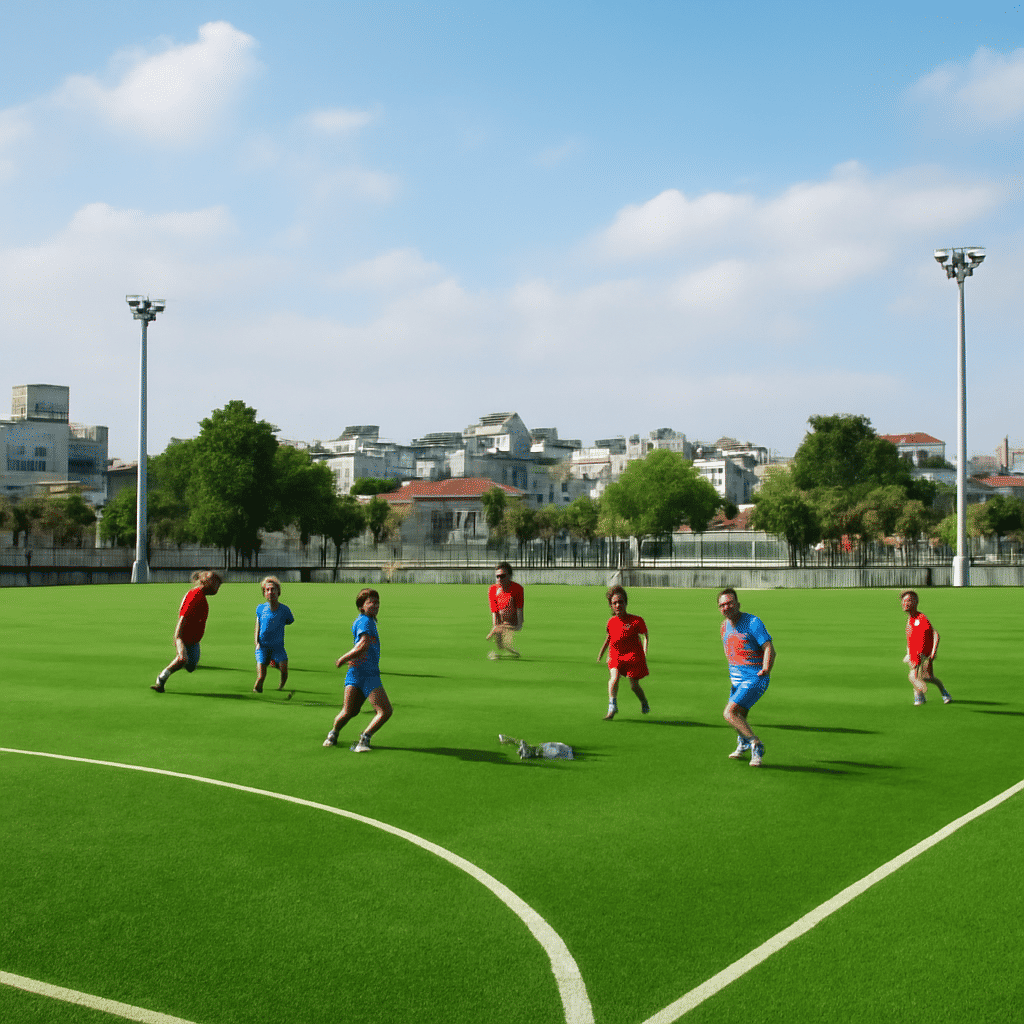
Vietnam, a nation known for its vibrant culture and enthusiasm for sports, is rapidly embracing the use of artificial turfs to elevate the football experience. As traditional grass fields are often subject to the whims of weather and intense use, artificial turfs offer a reliable and high-quality alternative, making football more accessible and enjoyable for players of all levels. This transformation in the playing surface has not only enhanced the quality of the game but also opened up numerous opportunities for organizing friendly matches across the country.
One of the foremost advantages of artificial turf is its resilience to Vietnam's diverse climatic conditions. Unlike natural grass, which can become waterlogged or dusty depending on the season, artificial turf provides a consistent playing field year-round. This durability is especially beneficial in areas where heavy rains or prolonged dry spells are common, ensuring that games can proceed without interruption.
Major cities like Hanoi and Ho Chi Minh City lead the way in adopting artificial turf, with numerous facilities boasting state-of-the-art pitches. These venues are often equipped with top-class facilities, including floodlights for evening matches, locker rooms, and spectator seating. Examples include Xuan La Sports Complex in Hanoi and The New Sports Turf Arena in Ho Chi Minh City, both of which are popular spots for local leagues and recreational players.
The rise of artificial turf has also spurred the organization of friendly matches, acting as a catalyst for community building and social interaction. Local clubs and groups have found it easier to coordinate games, thanks to the predictability of the playing surface and the availability of venues. In cities and rural areas alike, it is common to see teams of various age groups, from children to adults, engaging in spirited matches that not only foster physical fitness but also strengthen community ties.
Organizing a friendly match on these artificial turfs is a straightforward process. Many facilities offer easy online booking systems, allowing teams to reserve a pitch at their convenience. Clubs often coordinate through social media platforms, creating events that encourage not only players but also friends and family to join in the fun, either as participants or as enthusiastic supporters.
Moreover, the consistent quality of artificial turf levels the playing field. With a uniform surface, the unpredictable bounces and uneven wear of natural grass are minimized, allowing players to focus on skill and strategy. This has been particularly appealing for amateur players who wish to hone their football abilities in a controlled environment.
Finally, the impact of artificial turfs extends beyond just the playing experience; they are also environmentally beneficial. Modern artificial turf systems are designed to be sustainable, utilizing recycled materials and requiring minimal maintenance compared to natural grass. This makes it an eco-friendly choice that contributes to sustainable sports practices.
In conclusion, the proliferation of artificial turfs in Vietnam is revolutionizing the football experience, offering a reliable and high-quality platform for both players and organizers. By facilitating the organization of friendly matches and strengthening community bonds, artificial turfs are playing a pivotal role in nurturing a passion for football across the nation. As more people take to the field, both seasoned athletes and newcomers alike can enjoy the beautiful game to its fullest potential.