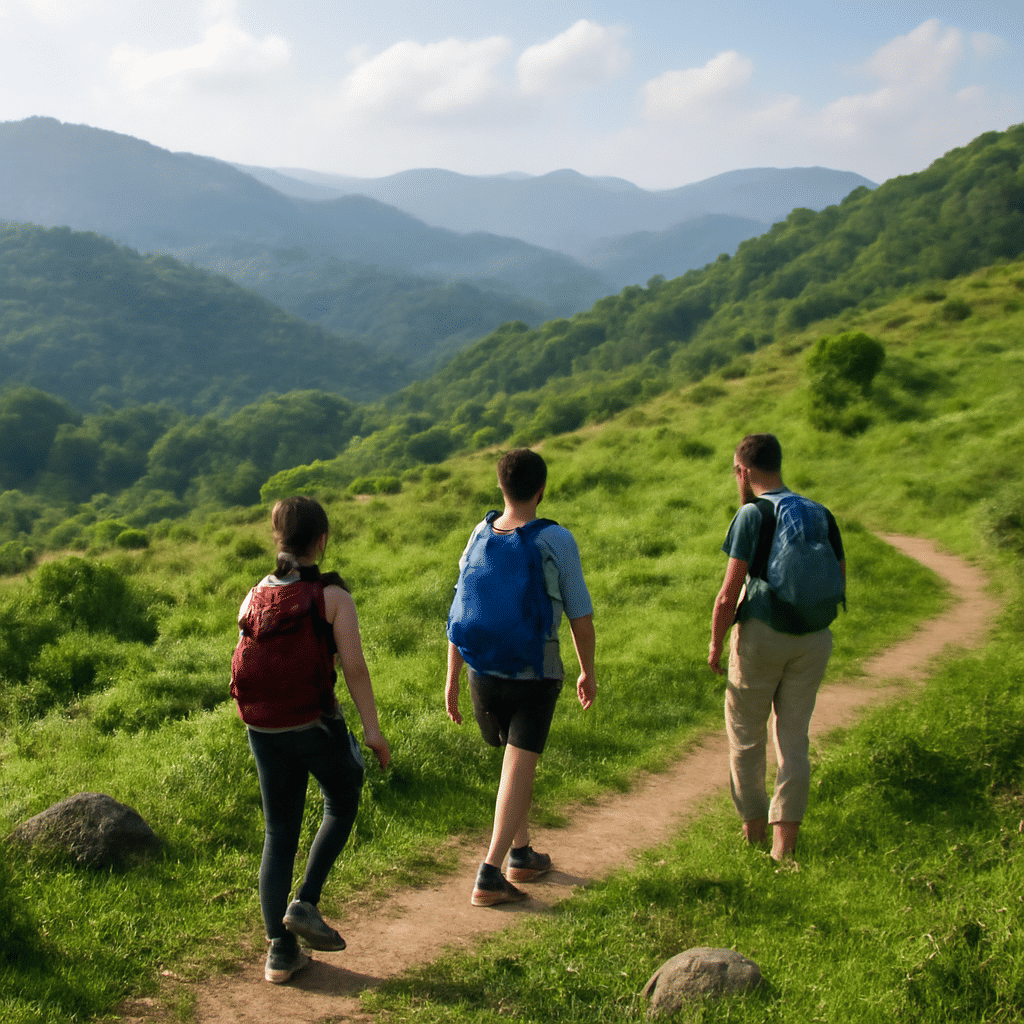
Participating in outdoor sports is not only a fantastic way to enjoy nature but also an excellent method to maintain and improve physical fitness. The fresh air, diverse terrain, and dynamic environment offer countless opportunities to engage in activities that challenge and exhilarate the body and mind. Here’s a comprehensive guide on how to stay fit while safely participating in outdoor activities.
1. Choose Activities You Enjoy
The foundation of maintaining fitness through outdoor activities is choosing sports or exercises you genuinely enjoy. Whether it’s hiking, cycling, kayaking, rock climbing, or running, pick activities that excite you. Enjoyment is a great motivator and will ensure that you stick with your fitness regimen long term.
2. Dress Appropriately
Wearing suitable clothing and gear is crucial when engaging in outdoor sports. Check the weather forecast and dress in layers to accommodate temperature changes. Fabrics like moisture-wicking materials can help keep you dry and comfortable. Protective gear like helmets, gloves, and appropriate footwear should always be worn to ensure safety during activities like mountain biking, climbing, or trail running.
3. Stay Hydrated and Fuel Properly
Outdoor activities often increase your body's energy and hydration needs. Always carry ample water, especially when partaking in activities that involve prolonged exposure to heat, such as hiking or cycling. For longer activities, consider energy-rich snacks like nuts, fruit, or energy bars to maintain your stamina and prevent fatigue.
4. Start Gradually and Progress Slowly
If you are new to a sport or physical activity, it is vital to start at a level that matches your current fitness and skill level. Gradually increase the intensity, duration, and complexity of your activities to avoid injuries. For instance, start with shorter hikes on easier trails before progressing to more challenging terrains.
5. Warm-Up and Cool Down
Spend 5-10 minutes warming up before starting your outdoor activity; this could include dynamic stretches or light jogging to prepare your muscles. After your exercise, devote time to cool down, allowing your heart rate to return to normal gradually. Stretching post-activity can improve flexibility and reduce muscle soreness.
6. Watch the Weather
Nature is unpredictable, and weather conditions can change rapidly. Be aware of forecasts before you head out. Avoid activities during extreme weather conditions such as thunderstorms, extreme heat, or snowfall, which can increase the risk of accidents and injuries.
7. Prioritize Safety
Safety should always be a priority when participating in outdoor sports. Familiarize yourself with the area and terrain, ensuring that you are aware of any potential hazards. It’s also prudent to inform someone of your whereabouts and expected return time if you are venturing out alone. Carry a basic first aid kit and a fully charged phone in case of emergency situations.
8. Build a Community
Connecting with others who have similar interests can enhance your motivation and enjoyment of outdoor activities. Joining clubs or participating in community events can provide support, tips, and encouragement from fellow enthusiasts. This social aspect can also introduce you to new sports and outdoor experiences.
9. Listen to Your Body
Pay close attention to how your body reacts during and after physical activities. Pushing through pain can lead to injuries, which might sideline you longer than needed. Rest when needed and allow your body to recover to maintain long-term fitness and health.
10. Mix It Up
Variety is essential for comprehensive fitness. Engage in a range of activities that challenge different muscle groups, improve cardiovascular health, and boost mental well-being. This diversity not only prevents boredom but also reduces the risk of overuse injuries by distributing physical stress more evenly across your body.
By following these guidelines, you can enjoy the dual benefits of exploring the great outdoors while maintaining and enhancing your physical fitness. Whether you are a novice or a seasoned outdoor enthusiast, these practices will help ensure a safe, enjoyable, and health-promoting experience in nature’s playground.